
In New York’s affluent circles, privacy isn’t a preference—it’s currency. Your name, your address, your circle, even the bar where you order the same martini every Tuesday: all of it carries weight. Those details open doors, signal status, and, in the wrong hands, become leverage. Protecting your privacy while dating in high-net-worth circles isn’t paranoia. It’s self-respect—emotional, financial, and reputational.
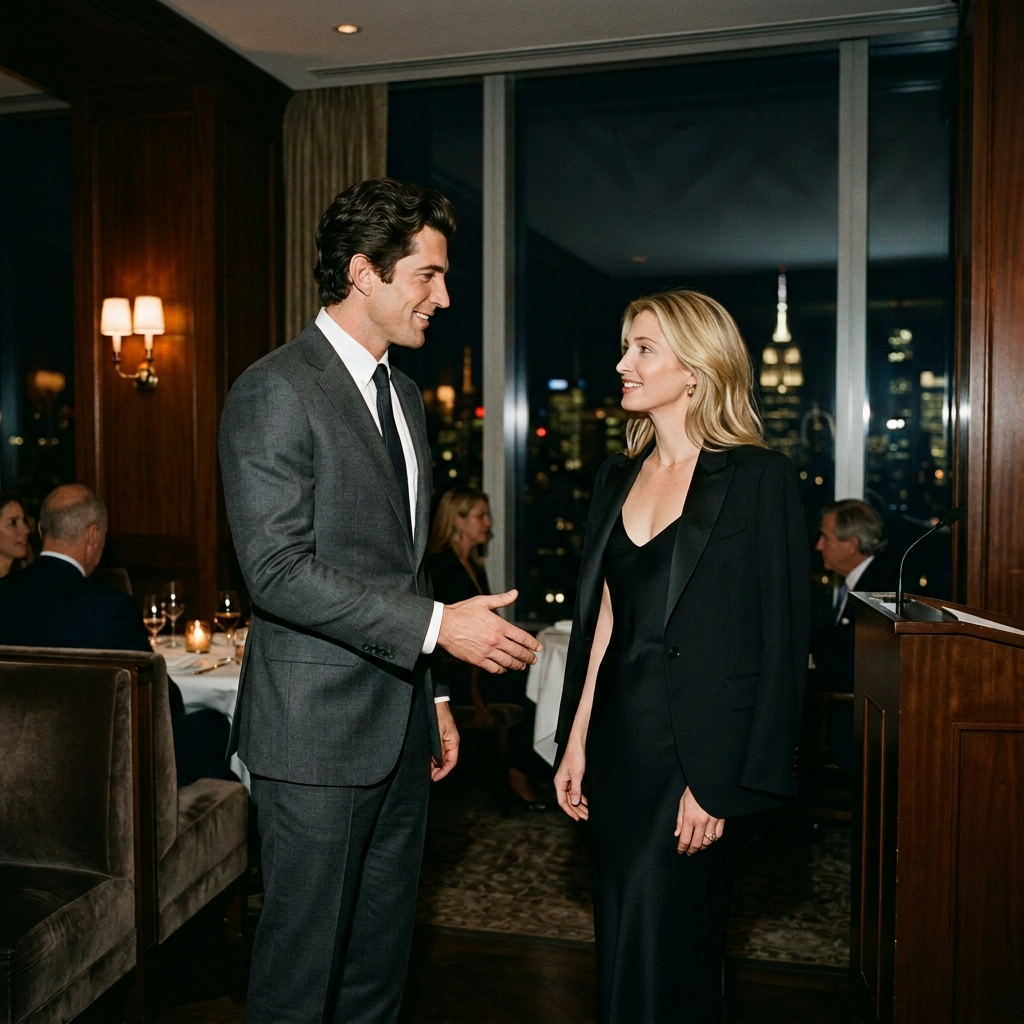
New Yorkers move fast. Affluent New Yorkers move faster. It’s tempting to accelerate intimacy with details—where you live, what you do, who you know. But early dating is an interview, not an audit of your life. You owe no one identifying information just because the conversation is flowing, or because someone seems to be “our level.”
The Quiet Risks of Oversharing
Within elite circles, information travels fast and quietly. Your home address isn’t just where you sleep—it can reveal your net worth, your board seats, your ex, even your children. Your office isn’t just where you work—it’s a route to your colleagues, your assistants, your private conversations.
Oversharing your routine—“I run in the park every morning, then grab coffee at the same café”—creates predictability. And predictability is exactly what stalkers, opportunists, and overly invested dates look for. Even well-meaning people can become intrusive once they feel entitled to your time.
A good rule of thumb: never give anyone enough to “accidentally” appear in your life. No one should be able to show up at your lobby, your child’s school, or your gym based on what you mentioned over dinner.
Dating Apps and Digital Privacy
For many in New York’s upper echelons, dating apps are a quiet necessity—a way to meet outside your usual circle without turning it into a spectacle. But digital privacy is exactly where most high-net-worth daters get careless.

Turn off location sharing wherever you can, and review what each app is allowed to access on your phone. Many quietly collect more than they need: your contacts, your calendar, your precise location. You don’t need to be a security expert—just willing to say no to settings that feel invasive.
And remember: screenshots travel. Assume anything you send—photos, messages, voice notes—could end up shown around a terrace in the Hamptons by Sunday afternoon. That’s not a reason to hide your personality. It’s a reason not to hand over anything you’d regret seeing out of context.
Setting Boundaries Around Your Personal Data
In affluent circles, people are used to access—to names, rooms, favors, introductions. That culture bleeds into dating fast: someone casually asks what fund you’re with, whose family office you use, or which board you sit on. You’re allowed to answer softly. Or not at all.
A few phrases that hold the line without turning the date into an interrogation:
- “I keep my work and my dating life separate until I really know someone.”
- “I don’t share my building, but I’m downtown.”
- “That’s more of a third-date conversation.”
Notice who respects the boundary and moves on, and who keeps pushing. Interest is flattering. Entitlement isn’t. In elite dating, someone who chases your access is usually more interested in it than in you.
Emotional Safety: What Privacy Makes Room For
Privacy isn’t about building walls. It’s about giving yourself a quiet room to hear your own instincts. When you’re not managing the fallout of oversharing, you can actually notice how someone treats you—not how they respond to your lifestyle.
Discretion slows things down just enough for your intuition to catch up. Do they follow through? Do they listen more than they name-drop? Are they curious about who you are beyond your resume and your last name? Emotional safety comes from knowing you can walk away anytime, without worrying they’ll interfere with your work, your home, or your reputation.
In a city where everyone seems to know everyone, that kind of autonomy is rare. Guard it.
Staying Private While Building Something Real
Healthy privacy isn’t the same as being closed off. It’s being intentional. You can be open about your values, your interests, your emotional life—long before you hand over your home address or introduce someone to your inner circle.
A few ways to balance discretion with real connection:
- Share stories, not coordinates. Talk about your childhood, your mentors, the moments that shaped you—without the current logistics.
- Keep early dates on neutral ground. Rotate between restaurants, galleries, and hotel bars you enjoy, rather than relying on any one as your “home base.”
- Use separate channels. A dedicated email or messaging app for new connections beats handing out your main number or work contact right away.
- Delay social media access. Let someone get to know you in person before they get the curated highlight reel of your friends, your travels, and your life.
Thoughtful privacy also gives someone room to show you who they are, without the shortcut of status markers. When you’re not leading with your address, your last name, or your guest list, the people who stay interested are usually the ones worth keeping.
In New York’s elite dating world, the most valuable thing you can protect isn’t your image or your assets. It’s your ability to choose—carefully, slowly, and entirely on your own terms—who gets real access to you.
 Journal
Leave a comment